

볼 밸브는 주로 개폐 기능을 담당합니다. 이러한 설계로 인해 정밀한 유량 제어가 어렵다는 한계가 있으며, 이는 특정 소방 설비에서의 효율성에 영향을 미칠 수 있습니다. 볼 밸브에 대한 몇 가지 주요 사항은 다음과 같습니다.fire protection valves볼 밸브:켜짐/꺼짐 기능볼 밸브는 유체의 흐름을 신속하게 차단하거나 허용하는 데 탁월합니다. 그러나 작업자가 유량을 점진적으로 조절해야 하는 경우에는 성능이 좋지 않습니다.스로틀링 문제볼 밸브가 부분적으로 열리면 난류가 발생할 수 있습니다. 이러한 난류는 압력 강하 및 불규칙한 유량으로 이어질 수 있으며, 이는 소방 시스템의 성능을 저해할 수 있습니다.유량 조절볼 밸브는 정밀한 유량 조절이 필요한 용도에는 적합하지 않습니다. 볼 밸브는 설계상 미세한 유량 조절이 불가능하기 때문입니다. 이러한 한계는 정확한 물 공급이 필수적인 상황에서 문제가 될 수 있습니다.팁유량 조절이 필요한 용도에는 게이트 밸브 또는 유량 조절용으로 설계된 다른 유형의 밸브를 사용하는 것을 고려하십시오.
아래 표는 볼 밸브와 게이트 밸브의 유량 제어 기능을 비교하여 요약한 것입니다.
보통의
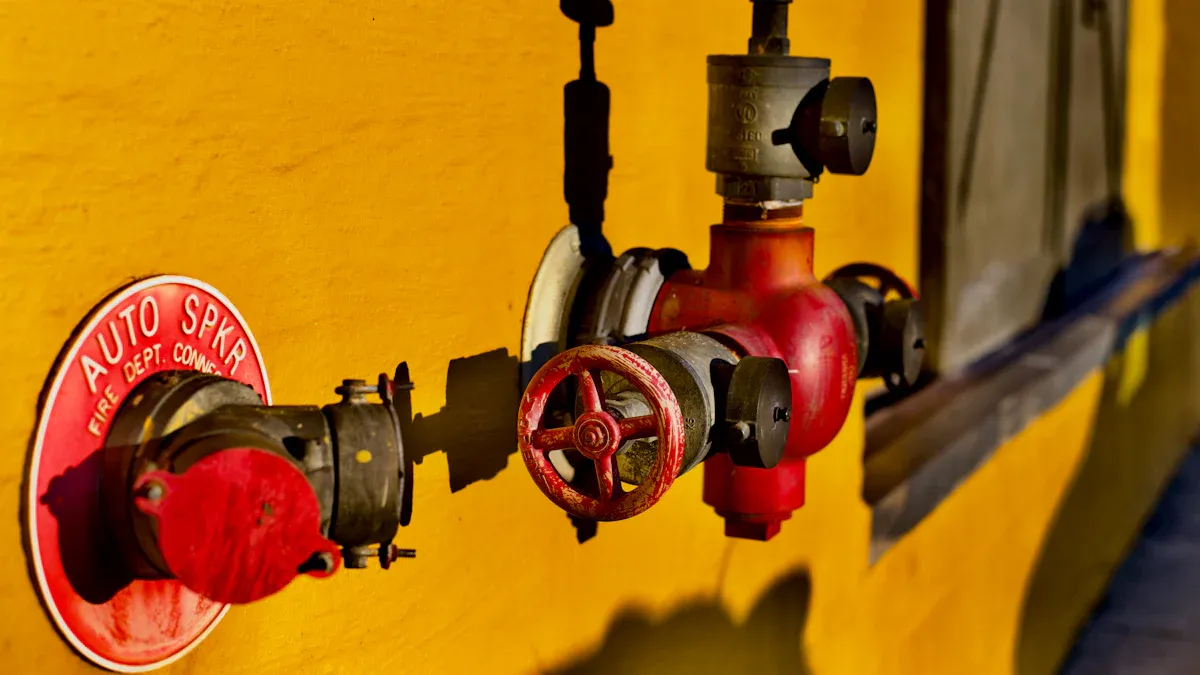
스로틀링 및 유량 조절화재 시스템 분야에서의 응용화재 방지 밸브는 화재 방지 시스템의 다양한 분야에서 중요한 역할을 합니다. 밸브 선택은 특정 작동 요구 사항과 화재 방지 전략의 특성에 따라 달라집니다. 아래는 화재 방지 시스템에서 게이트 밸브와 볼 밸브의 주요 적용 사례입니다.
| 1. 소방 스프링클러 시스템 | Ball Valves | Gate Valves |
|---|---|---|
| 상업용 건물에서 흔히 볼 수 있는 소화전 시스템은 화재 진압에 필요한 충분한 물 공급을 보장하기 위해 소방 밸브에 의존합니다. 게이트 밸브는 시스템의 특정 부분을 격리하는 데 자주 사용되는 반면, 볼 밸브는 즉각적인 물 공급을 위해 신속한 작동을 가능하게 합니다. | 3. 소화전 시스템 | 소화전 시스템은 소방관이 신속하게 물을 사용할 수 있도록 안정적이고 효율적인 밸브를 필요로 합니다. 게이트 밸브는 일반적으로 주 급수관에 설치되어 소화전으로 공급되는 물의 흐름을 제어합니다. 볼 밸브는 비상 상황에서 신속하게 물을 차단하는 데 사용될 수도 있습니다. |
| 4. 대홍수 및 사전 대응 시스템 | 대량 살수식 및 사전 작동식 소방 시스템에서 소방 밸브는 스프링클러 헤드로의 물 흐름을 제어하는 데 중요한 역할을 합니다. 게이트 밸브는 유지 보수를 위해 시스템의 일부를 격리할 수 있으며, 볼 밸브는 필요할 때 물 흐름을 신속하게 작동시킬 수 있도록 합니다. | 5. 산업적 응용 |
| Flow Regulation | 6. 주거용 화재 방호 | 주거용 화재 방지 시스템은 화재 방지 밸브를 사용함으로써 이점을 얻습니다. 게이트 밸브는 안정적인 차단 기능을 제공하며, 볼 밸브는 화재 진압을 위해 신속하게 물을 공급받을 수 있도록 해줍니다. |
| Durability | 소방 시스템용 밸브를 선택할 때는 특정 적용 분야와 작동 요구 사항을 고려해야 합니다. 각 밸브 유형은 시스템 성능을 향상시킬 수 있는 고유한 장점을 제공합니다. | 게이트 밸브에 적합한 시나리오 |
| 게이트 밸브는 화재 방지 시스템의 다양한 상황에서 특히 효과적입니다. 게이트 밸브의 설계와 기능은 특정 용도에 적합하도록 만들어졌습니다. | 안정적인 유량 제어 | 필수적입니다. 아래는 게이트 밸브를 사용하기에 이상적인 몇 가지 상황입니다. |
주 급수 차단
게이트 밸브는 소방 시스템에서 주 급수관의 주요 차단 장치 역할을 합니다. 유지 보수 또는 비상 상황 발생 시 완전히 차단할 수 있어 시스템의 안전과 작동을 보장합니다.고압 응용 분야고압이 중요한 환경에서는 게이트 밸브가 탁월한 성능을 발휘합니다. 견고한 구조 덕분에 성능 저하 없이 상당한 압력을 견딜 수 있습니다. 이러한 내구성 덕분에 산업 현장에 이상적입니다.
대구경 파이프라인
게이트 밸브는 유량 제어가 필요한 대구경 파이프라인에 자주 사용됩니다. 게이트 밸브는 유량 제한을 최소화하도록 설계되어 비상시 효율적인 물 공급을 가능하게 합니다.
소화전 시스템
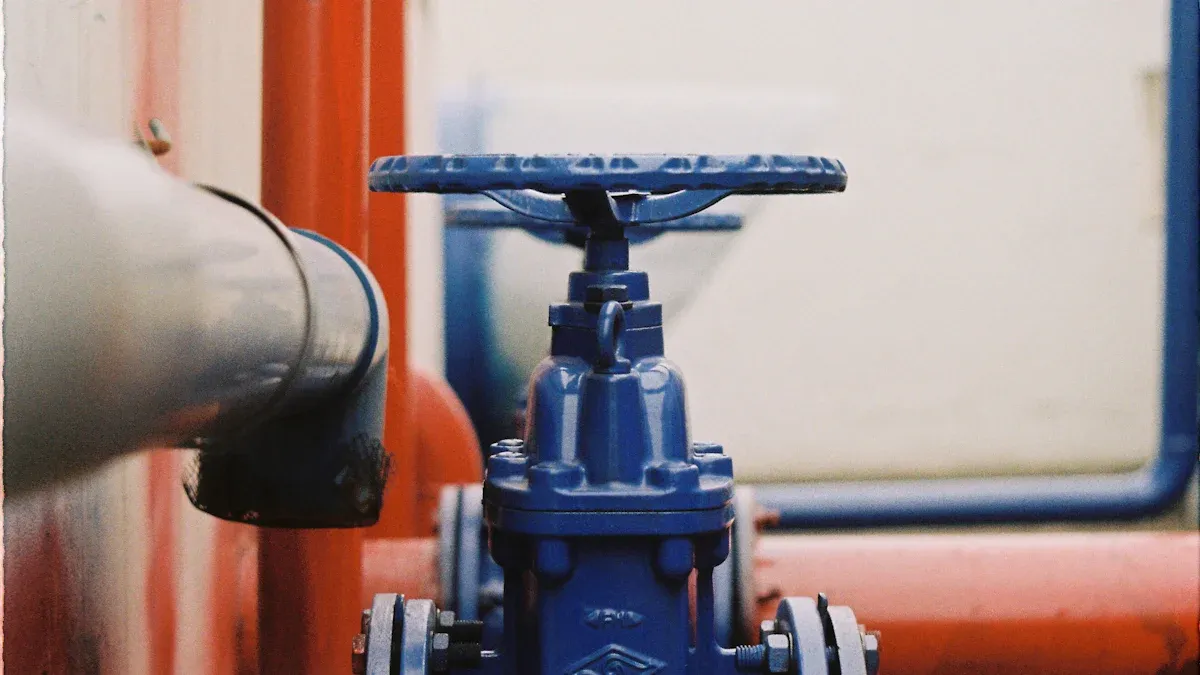
게이트 밸브는 소화전 시스템에 흔히 설치됩니다. 이 밸브는 급수 밸브를 안정적으로 차단하여 소방관들이 필요할 때 신속하게 물을 사용할 수 있도록 해줍니다.게이트 밸브는 유량 조절 용도에 적합한가요?: 소화전 시스템에서 게이트 밸브는 특정 구간을 격리할 수 있도록 해줍니다. 이러한 기능은 유지보수에 매우 중요하며 시스템의 다른 부분이 계속 작동하도록 보장합니다.
- Ball Valves화재 방지 시스템용 게이트 밸브를 선택할 때는 특정 적용 분야와 작동 요구 사항을 고려해야 합니다. 게이트 밸브는 안정적인 차단 기능을 제공하고 고압을 견딜 수 있어 다양한 상황에서 중요한 구성 요소입니다.
- Gate Valves볼 밸브는 소방 시스템의 다양한 상황에서 특히 효과적입니다. 볼 밸브의 설계와 작동 효율성은 신속한 대응과 신뢰성이 필수적인 특정 용도에 적합합니다. 아래는 볼 밸브를 사용하기에 이상적인 몇 가지 상황입니다.
비상 차단
볼 밸브는 신속한 차단이 필요한 상황에서 탁월한 성능을 발휘합니다. 1/4바퀴만 돌리면 밸브가 즉시 닫히므로 화재 발생 시 매우 중요합니다. 소방관들은 신속하게 물을 공급받아 화재 진압에 빠르게 대응할 수 있습니다.
고압 시스템게이트 밸브는 유량 조절 용도에 적합한가요?상수도관
Gate Valves
- 화재 방지 시스템을 선택할 때는 빠른 작동 속도와 낮은 압력 강하를 고려해야 합니다. 이러한 특징은 시스템의 전반적인 성능과 신뢰성을 향상시킵니다.화재 스프링클러 시스템에서 볼 밸브는 신속한 작동을 가능하게 합니다. 이를 통해 스프링클러 헤드로 즉시 물이 흐르게 되어 화재 진압 효과를 높일 수 있습니다.
- 델루지 시스템볼 밸브는 신속한 물 방출이 필요한 대량 살수 시스템에서 중요한 역할을 합니다. 볼 밸브는 빠른 작동을 가능하게 하는 설계로 물이 지체 없이 목표 지역에 도달하도록 합니다.
- 화재 발생 시 신속한 대응: 언제
Ball Valves
- 화재 방지 시스템을 선택할 때는 빠른 작동 속도와 낮은 압력 강하를 고려해야 합니다. 이러한 특징은 시스템의 전반적인 성능과 신뢰성을 향상시킵니다.애플리케이션 유형
- 주요 이점비상 차단
- 화재 발생 시 신속한 대응고압 시스템압박 속에서도 진실성을 유지한다.상수도관
Tip스프링클러 시스템
즉각적인 물 흐름 활성화
델루지 시스템
- 신속한 물 방출로 화재 진압화재 시스템의 전반적인 효율성
- 효과화재 방지 밸브
- 화재 안전 시스템의 성능에 상당한 영향을 미칩니다. 게이트 밸브와 볼 밸브는 모두 비상시 안정적인 물 흐름을 보장하는 데 중요한 역할을 합니다. 이들의 고유한 특성은 화재 진압 노력의 전반적인 효율성에 기여합니다.게이트 밸브는 유량 완전 차단이 필요한 용도에 탁월한 성능을 발휘합니다. 소방 시스템의 특정 구역을 안정적으로 격리할 수 있는 수단을 제공하며, 이는 유지 보수 또는 비상 상황 발생 시 필수적입니다. 게이트 밸브는 높은 유량 용량을 제공하여 필요할 때 중요한 구역에 물이 도달하도록 보장합니다. 또한 견고한 구조로 고압을 견딜 수 있어 다양한 환경에 적합합니다.
- 반면, 볼 밸브는 빠른 작동과 낮은 압력 강하를 제공합니다. 1/4회전 메커니즘을 통해 화재 발생 시 필수적인 신속한 물 공급이 가능합니다. 소방관은 볼 밸브를 빠르게 작동시켜 즉각적인 물 공급을 확보할 수 있습니다.물의 흐름
- 이처럼 신속한 대응은 화재를 효과적으로 진압하는 데 상당한 차이를 만들어낼 수 있습니다. 또한, 볼 밸브는 누수 방지 밀봉을 유지하여 물 손실을 막고 시스템의 신뢰성을 향상시킵니다.비상 상황에서의 성능
비상 상황에서는 소방 밸브의 성능이 매우 중요해집니다. 게이트 밸브와 볼 밸브는 효과적인 소방 활동을 보장하는 데 있어 각각 고유한 역할을 수행합니다.
작동 특성화재 진압 활동의 결과에 상당한 영향을 미칠 수 있습니다.게이트 밸브
| Valve Type | 볼 밸브 | 반면, 볼 밸브는 빠른 작동이 가능합니다. 1/4바퀴만 돌리면 바로 물을 공급할 수 있어 화재 진압 시 신속한 대응이 매우 중요합니다. 소방관들은 볼 밸브를 빠르게 작동시켜 필요한 곳에 지체 없이 물을 공급할 수 있습니다. 또한, 볼 밸브는 압력 강하가 적어 시스템 전체에 일정한 수압을 유지하는 데 도움이 됩니다. |
|---|---|---|
| Gate Valve | 완전 차단에는 확실하지만 작동 속도가 느립니다. | 완전 차단에는 확실하지만 작동 속도가 느립니다. |
| Ball Valve | 화재 방지 밸브의 장기 신뢰성 | 화재 방지 밸브의 장기 신뢰성 |
화재 방지 밸브는 비상 상황 발생 시 안전을 확보하는 데 중요한 역할을 하므로 장기적인 신뢰성이 매우 중요합니다. 게이트 밸브와 볼 밸브는 모두 시간이 지남에 따라 신뢰성에 영향을 미치는 고유한 특성을 가지고 있습니다.
- 게이트 밸브
- 내구성
- 게이트 밸브는 스테인리스강이나 황동과 같은 견고한 재질로 만들어지는 경우가 많습니다. 이러한 재질은 고압 및 고온을 견딜 수 있는 능력을 향상시켜 수명을 연장하는 데 기여합니다.
- 유지보수 요구사항
- 게이트 밸브는 정기적인 유지보수가 필수적입니다. 작업자는 누출을 방지하기 위해 밀봉부와 내부 부품을 점검해야 합니다. 유지보수를 소홀히 하면 신뢰성이 저하되고 중요한 순간에 고장이 발생할 수 있습니다.
- 볼 밸브
- 유지보수 필요성이 낮음
- 볼 밸브는 일반적으로 게이트 밸브보다 유지 보수가 덜 필요합니다. 볼 밸브는 마모를 최소화하도록 설계되어 장기간 효율적으로 작동할 수 있습니다.
- 내식성
- 많은 볼 밸브는 내식성 재질을 사용합니다. 이러한 특징은 특히 유해한 화학 물질이나 극한 조건에 노출되는 환경에서 밸브의 신뢰성을 높여줍니다.
- 팁
화재 방지 밸브의 장기적인 신뢰성을 극대화하려면 정기적인 점검 일정을 수립해야 합니다. 정기적인 점검을 통해 문제가 심각해지기 전에 잠재적인 문제를 파악하여 필요할 때 밸브가 정상적으로 작동하도록 보장할 수 있습니다.게이트 밸브와 볼 밸브는 모두 화재 방지 시스템에서 뚜렷한 장점과 단점을 가지고 있습니다.게이트 밸브
탁월한 차단 성능과 높은 유량 처리 능력을 제공합니다.
볼 밸브
- 빠른 작동 속도와 낮은 압력 강하가 특징입니다.궁극적으로 이 밸브들 중 어떤 것을 선택할지는 특정 소방 시스템의 요구 사항과 운영 조건에 달려 있습니다.팁각 애플리케이션의 고유한 요구 사항을 평가하여 가장 적합한 솔루션을 결정합니다.
- 적합한 밸브 유형최적의 성능을 위해.자주 묻는 질문게이트 밸브와 볼 밸브의 주요 차이점은 무엇입니까?
게이트 밸브는 안정적인 개폐 제어를 제공하는 반면, 볼 밸브는 압력 손실을 최소화하면서 더 빠른 작동을 제공합니다. 따라서 볼 밸브는 비상 상황에 더 적합합니다.게이트 밸브는 유량 조절 용도에 적합한가요?게이트 밸브는 유량 조절에 사용할 수 있지만, 이 목적에 이상적인 것은 아닙니다. 게이트 밸브는 주로 유량을 완전히 차단하도록 설계되었습니다.
| 화재 방지 밸브는 얼마나 자주 유지보수해야 합니까? | 게이트 밸브와 볼 밸브 모두 정기적인 유지보수가 필수적입니다. 기술자는 밸브의 정상적인 작동을 보장하고 누수를 방지하기 위해 최소한 1년에 한 번 이상 점검해야 합니다. |
|---|---|
| 볼 밸브는 오염된 유체를 처리할 수 있습니까? | 볼 밸브는 고형물이나 이물질이 포함된 유체에 제대로 작동하지 못할 수 있습니다. 오염 물질은 적절한 밀봉을 방해하여 소방 시스템에서 누출을 일으킬 가능성이 있습니다. |
| 게이트 밸브와 볼 밸브 중 어떤 것을 선택할 때 영향을 미치는 요인은 무엇입니까? | 밸브 종류 선택은 요구되는 응답 시간, 유량 제어, 압력 조건 등 특정 적용 분야의 요구 사항에 따라 달라집니다. 이러한 요소들을 평가하여 최적의 밸브 유형을 결정하십시오. |
| 게시 시간: 2026년 3월 20일 | 연락하다 |
저희를 방문해 주세요저장 세계 소방 설비 유한회사전화 주세요
13685872522
13968219316
- 저희 이메일문의 보내기
- 한국인이메일 보내기
- 왓츠앱Enter 키를 눌러 검색하고 Esc 키를 눌러 닫으세요.
- 영어프랑스 국민
- 독일 사람포르투갈 인
스페인 사람
| 러시아인 | 카자흐스탄 |
|---|---|
| 한국인 | 아라비아 말 |
| 아일랜드 | 그리스 사람 |
| 터키어 | 이탈리아 사람 |
덴마크 말
루마니아 사람
인도네시아 인체코 사람아프리카 어
- 스웨덴어광택
- 바스크 사람카탈로니아 사람
에스페란토 말
힌디 어
라오스알바니아암하라어
- 아르메니아 사람아제르바이잔
- 벨라루스어벵골 사람
- 보스니아어불가리아 사람
세부아노
- 치체와
- 코르시카인
- 크로아티아어
- 네덜란드 사람
에스토니아 사람필리핀인
| Valve Type | 프리지아어 | 갈리시아 |
|---|---|---|
| Ball Valve | 헤브라이 사람 | 하와이안 |
| Gate Valve | 하와이안 | 헤브라이 사람 |
몽족
헝가리 인
아이슬란드어이그보자바어
| 칸나다어 | 카자흐스탄 |
|---|---|
| 크메르 | 쿠르드족 |
| 키르기스 | 라틴어 |
| 라트비아 사람 | 리투아니아 사람 |
룩셈부르크..마케도니아 어마다가스카르 사람
- 말레이 사람말라얄람어
- 몰티즈마오리족
- 마라티어몽고 어
버마 사람
네팔어
노르웨이 인
파슈토어페르시아 인:
- 펀자브어세르비아 사람
- 세소토어싱할라어슬로바키아 사람슬로베니아
- 소말리아어사모아인
스코틀랜드 게일어
쇼나
신디
순다족스와힐리어타지크어
- 타밀 사람텔루구어
- 태국우크라이나 말
우르두어
| Valve Type | 베트남 사람 | 웨일스 말 | 코사어 |
|---|---|---|---|
| 이디시어 | 요루바족 | 줄루 족 | 키냐르완다 |
| 타타르족 | 오리야 | 투르크멘 말 | 위구르족 |
Low pressure drop in ball valves enhances water flow in fire system pipelines. This efficiency ensures that firefighters receive adequate water supply quickly, which is vital for effective firefighting. The ability to maintain pressure during operation allows for consistent water delivery, even in high-demand situations.
Disadvantages of Ball Valves
While ball valves offer numerous advantages, they also present several disadvantages that can affect their performance in fire protection systems. Understanding these limitations is crucial for making informed decisions. Here are some key drawbacks:
- Inability to Provide Gradual Shut-off: Ball valves operate with a quarter-turn action. This rapid shut-off can lead to sudden pressure changes, potentially damaging systems like fire protection sprinklers. Such abrupt shifts in pressure may compromise the integrity of the entire system.
- Corrosion and Erosion Issues: Depending on the material used, ball valves can corrode or erode when exposed to harsh substances. This deterioration can result in leaks and reduced performance over time. Operators must consider the fluid characteristics to mitigate these risks.
- Difficulty in Handling Dirty Fluids: Ball valves struggle with fluids containing solids or debris. These contaminants can prevent proper sealing, leading to leakage. In fire protection systems, where reliability is paramount, this limitation can pose significant challenges.
- Higher Initial Costs: Compared to gate valves, ball valves typically have a higher initial purchase price. This cost factor can deter some organizations from choosing them, especially when budget constraints exist.
- Limited Throttling Capability: Ball valves are primarily designed for on/off service. They do not perform well when used for throttling applications. This limitation can hinder flow regulation in certain scenarios, making them less versatile than other valve types.
Higher Initial Cost of Ball Valves
Ball valves typically come with a higher initial cost than gate valves. This price difference can influence purchasing decisions for fire protection systems. Organizations must weigh the benefits against the financial implications. Here are some key points regarding the costs associated with ball valves:
- Material Quality: Ball valves often use high-quality materials, such as stainless steel or brass. These materials enhance durability but increase production costs.
- Complex Design: The design of ball valves includes more intricate components, which can drive up manufacturing expenses.
- Performance Features: Ball valves offer superior sealing capabilities and quick operation. These features justify the higher price for many applications.
Cost Comparison Table
| Valve Type | Initial Cost Range (8″ Class 300) | Initial Cost Range (24″) |
|---|---|---|
| Gate Valve | $12K – $18K | $12K – $18K |
| Ball Valve | $45K – $75K | $45K – $75K |
Tip: When budgeting for fire protection systems, consider both the initial costs and the long-term benefits of each valve type.
Despite the higher upfront costs, ball valves can provide long-term savings. Their durability and low maintenance requirements often lead to reduced operational costs over time. Organizations should evaluate their specific needs and budget constraints before making a decision.
Limited Flow Control of Ball Valves
Ball valves primarily serve as on/off devices. Their design limits their ability to provide precise flow control. This limitation can impact their effectiveness in certain fire protection applications. Here are some key points regarding the flow control capabilities of ball valves:
- On/Off Functionality: Ball valves excel at quickly shutting off or allowing fluid flow. However, they do not perform well when operators need to adjust flow rates gradually.
- Throttling Issues: When partially opened, ball valves can create turbulence. This turbulence can lead to pressure drops and inconsistent flow rates. Such behavior can hinder the performance of fire suppression systems.
- Flow Regulation: Ball valves are not suitable for applications requiring fine flow regulation. Their design does not allow for gradual adjustments. This limitation can be problematic in scenarios where precise water delivery is essential.
Tip: For applications that require flow modulation, consider using gate valves or other valve types designed for throttling.
The table below summarizes the flow control capabilities of ball valves compared to gate valves:
| Valve Type | Flow Control Capability | Ideal Use Case |
|---|---|---|
| Ball Valve | Limited | On/off service |
| Gate Valve | Moderate | Throttling and flow regulation |
Applications in Fire Systems
Fire protection valves play a critical role in various applications within fire protection systems. Their selection depends on specific operational requirements and the nature of the fire protection strategy. Below are some key applications for both gate valves and ball valves in fire systems:
1. Fire Sprinkler Systems
Fire sprinkler systems utilize both gate and ball valves to control water flow. Gate valves serve as the main shut-off valves, allowing for complete closure during maintenance or emergencies. Ball valves, on the other hand, provide quick access to water supply, enabling rapid response during fire incidents.
2. Standpipe Systems
Standpipe systems, commonly found in commercial buildings, rely on fire protection valves to ensure adequate water supply for firefighting efforts. Gate valves are often used to isolate sections of the system, while ball valves facilitate quick operation for immediate water access.
3. Fire Hydrant Systems
Fire hydrant systems require reliable and efficient valves to ensure firefighters can access water quickly. Gate valves are typically installed at the main supply line to control water flow to hydrants. Ball valves may also be used for quick shut-off in emergency situations.
4. Deluge and Pre-Action Systems
In deluge and pre-action fire suppression systems, fire protection valves play a vital role in controlling water flow to sprinkler heads. Gate valves can isolate sections of the system for maintenance, while ball valves allow for rapid activation of water flow when needed.
5. Industrial Applications
In industrial settings, fire protection valves are essential for safeguarding against fire hazards. Gate valves are often used in high-pressure applications, while ball valves are favored for their quick operation and low pressure drop, making them suitable for various fire suppression systems.
6. Residential Fire Protection
Residential fire protection systems also benefit from the use of fire protection valves. Gate valves provide reliable shut-off capabilities, while ball valves ensure quick access to water supply for firefighting efforts.
Tip: When selecting valves for fire protection systems, consider the specific application and operational requirements. Each valve type offers unique advantages that can enhance system performance.
Suitable Scenarios for Gate Valves
Gate valves are particularly effective in various scenarios within fire protection systems. Their design and functionality make them suitable for specific applications where reliable flow control is essential. Below are some ideal situations for using gate valves:
- Main Water Supply Isolation: Gate valves serve as the primary shut-off mechanism for the main water supply in fire protection systems. They allow for complete closure during maintenance or emergencies, ensuring that the system remains safe and operational.
- High-Pressure Applications: In environments where high pressure is a concern, gate valves excel. Their robust construction can withstand significant pressure without compromising performance. This durability makes them ideal for industrial settings.
- Large-Diameter Pipelines: Gate valves are often used in large-diameter pipelines where flow control is necessary. Their design minimizes flow restriction, allowing for efficient water delivery during emergencies.
- Fire Hydrant Systems: Gate valves are commonly installed in fire hydrant systems. They provide reliable isolation of the water supply, ensuring that firefighters can access water quickly when needed.
- Standpipe Systems: In standpipe systems, gate valves allow for the isolation of specific sections. This capability is crucial for maintenance and ensures that other parts of the system remain operational.
Tip: When selecting gate valves for fire protection systems, consider the specific application and operational requirements. Their ability to provide reliable shut-off and withstand high pressures makes them a valuable component in various scenarios.
Suitable Scenarios for Ball Valves
Ball valves are particularly effective in various scenarios within fire protection systems. Their design and operational efficiency make them suitable for specific applications where quick response and reliability are essential. Below are some ideal situations for using ball valves:
- Emergency Shut-off: Ball valves excel in situations requiring rapid shut-off. Their quarter-turn operation allows for immediate closure, which is critical during fire emergencies. Firefighters can quickly access water supply, ensuring a swift response.
- High-Pressure Systems: In high-pressure environments, ball valves maintain their integrity and performance. Their robust construction withstands significant pressure, making them ideal for industrial applications where safety is paramount.
- Water Supply Lines: Ball valves are commonly used in water supply lines for fire protection systems. Their ability to provide leak-proof sealing ensures that water remains contained, preventing wastage and maintaining system efficiency.
- Sprinkler Systems: In fire sprinkler systems, ball valves facilitate quick activation. They allow for immediate water flow to sprinkler heads, enhancing the effectiveness of fire suppression efforts.
- Deluge Systems: Ball valves play a crucial role in deluge systems, where rapid water release is necessary. Their design enables quick operation, ensuring that water reaches the intended areas without delay.
Tip: When selecting ball valves for fire protection systems, consider their quick operation and low pressure drop. These features enhance overall system performance and reliability.
| Application Type | Key Benefit |
|---|---|
| Emergency Shut-off | Rapid response during fires |
| High-Pressure Systems | Maintains integrity under pressure |
| Water Supply Lines | Prevents leaks and wastage |
| Sprinkler Systems | Immediate water flow activation |
| Deluge Systems | Quick water release for suppression |
Overall Effectiveness in Fire Systems
The effectiveness of fire protection valves significantly impacts the performance of fire safety systems. Both gate valves and ball valves play crucial roles in ensuring reliable water flow during emergencies. Their unique characteristics contribute to the overall efficiency of fire suppression efforts.
Gate valves excel in applications requiring complete flow shut-off. They provide a reliable means to isolate sections of a fire protection system. This capability is essential during maintenance or emergencies. Gate valves allow for high flow capacity, ensuring that water reaches critical areas when needed. Their robust construction withstands high pressures, making them suitable for various environments.
On the other hand, ball valves offer rapid operation and low pressure drop. Their quarter-turn mechanism allows for quick access to water supply, which is vital during fire incidents. Firefighters can swiftly activate ball valves, ensuring immediate water flow. This quick response can make a significant difference in controlling fires effectively. Additionally, ball valves maintain leak-proof sealing, preventing water loss and enhancing system reliability.
Performance in Emergencies
In emergency situations, the performance of fire protection valves becomes critical. Both gate valves and ball valves play distinct roles in ensuring effective firefighting efforts. Their operational characteristics can significantly influence the outcome of fire suppression activities.
Gate Valves
Gate valves provide reliable shut-off capabilities. They excel in applications where complete flow control is necessary. However, their slower operation can hinder response times during emergencies. Firefighters may face delays when attempting to open or close these valves, as they require multiple turns. This limitation can be detrimental in situations where every second counts.
Ball Valves
In contrast, ball valves offer rapid operation. Their quarter-turn mechanism allows for immediate access to water supply. This quick activation is essential during fire incidents, where time is of the essence. Firefighters can swiftly engage ball valves, ensuring that water flows to the necessary areas without delay. Additionally, ball valves maintain low pressure drops, which helps sustain water pressure throughout the system.
Summary of Performance
- Gate Valves: Reliable for complete shut-off but slower to operate.
- Ball Valves: Quick to activate, ensuring immediate water flow and maintaining pressure.
Long-Term Reliability of Fire Protection Valves
Long-term reliability is crucial for fire protection valves, as these components play a vital role in ensuring safety during emergencies. Both gate and ball valves exhibit unique characteristics that influence their reliability over time.
Gate Valves
- Durability: Gate valves often feature robust materials, such as stainless steel or brass. These materials enhance their ability to withstand high pressures and temperatures, contributing to their longevity.
- Maintenance Requirements: Regular maintenance is essential for gate valves. Operators should inspect seals and internal components to prevent leaks. Neglecting maintenance can lead to reduced reliability and potential failures during critical moments.
Ball Valves
- Low Maintenance Needs: Ball valves typically require less maintenance than gate valves. Their design minimizes wear and tear, allowing them to function effectively for extended periods.
- Corrosion Resistance: Many ball valves utilize corrosion-resistant materials. This feature enhances their reliability, especially in environments exposed to harsh chemicals or extreme conditions.
Tip: To maximize the long-term reliability of fire protection valves, organizations should implement a routine inspection schedule. Regular checks can identify potential issues before they escalate, ensuring that valves remain operational when needed.
Both gate and ball valves offer distinct advantages and disadvantages in fire protection systems.
- Gate valves excel in providing reliable shut-off capabilities and high flow capacity.
- Ball valves stand out for their quick operation and low pressure drop.
Ultimately, the choice between these valves hinges on specific fire system needs and operational requirements.
Tip: Assess the unique demands of each application to determine the most suitable valve type for optimal performance.
FAQ
What is the primary difference between gate valves and ball valves?
Gate valves provide reliable on/off control, while ball valves offer quicker operation with minimal pressure drop. This makes ball valves more suitable for emergency situations.
Are gate valves suitable for throttling applications?
Gate valves can be used for throttling, but they are not ideal for this purpose. Their design is primarily for complete flow shut-off.
How often should fire protection valves be maintained?
Regular maintenance is essential for both gate and ball valves. Technicians should inspect them at least once a year to ensure proper functionality and prevent leaks.
Can ball valves handle dirty fluids?
Ball valves struggle with fluids containing solids or debris. Contaminants can prevent proper sealing, leading to potential leaks in fire protection systems.
What factors influence the choice between gate and ball valves?
The choice depends on specific application needs, such as required response time, flow control, and pressure conditions. Evaluate these factors to determine the best valve type.
Post time: Mar-20-2026